
Send Money from Italy to Morocco: What You Need to Know Before You Transfer
INTERNATIONAL BANKING
Blog > International Banking > Send Money from Italy to Morocco: What You Need to Know Before You Transfer
Send Money from Italy to Morocco: What You Need to Know Before You Transfer
INTERNATIONAL BANKING
BANKEAZ | International Team
4/18/2026 - 5 min read
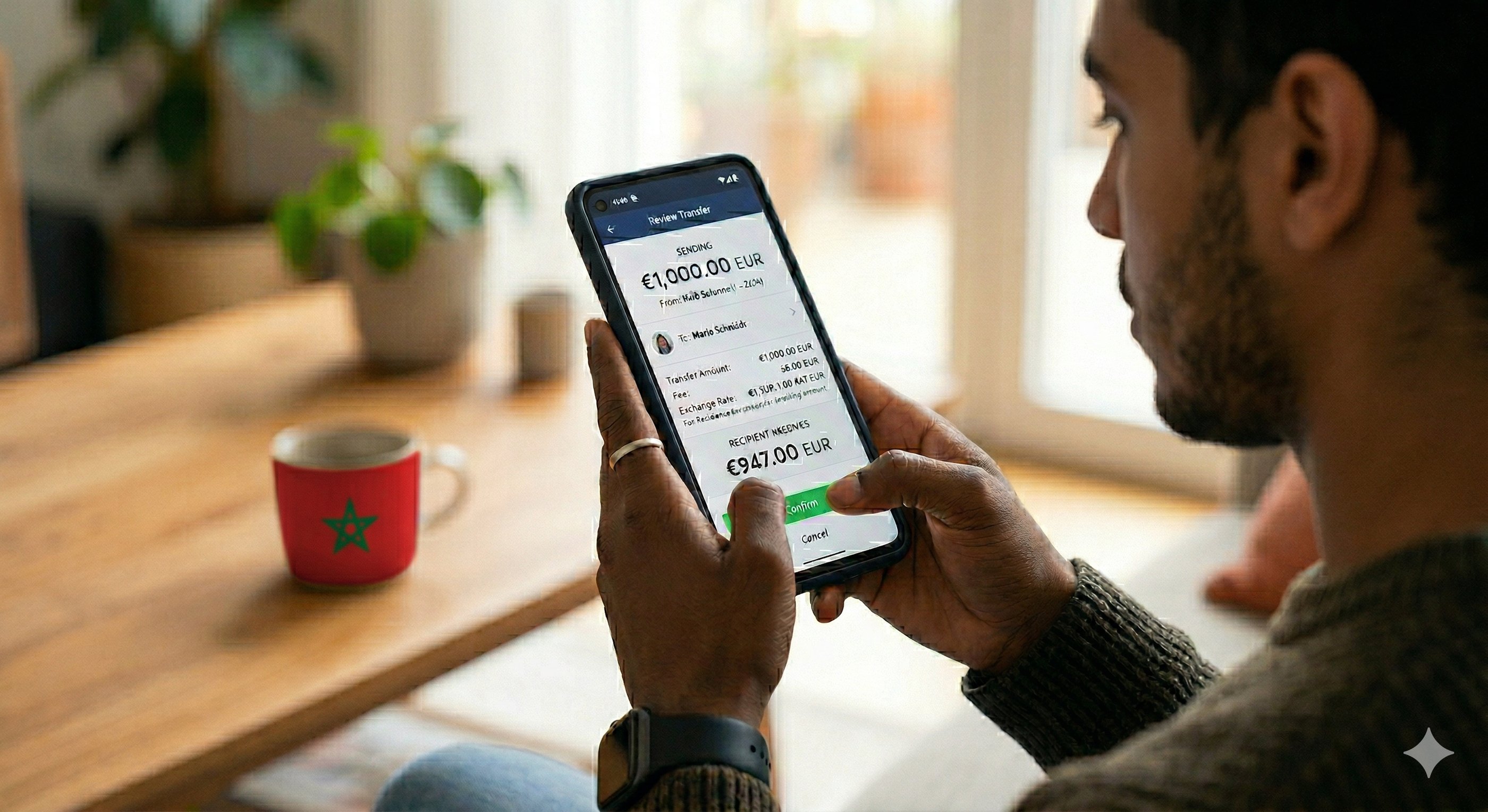
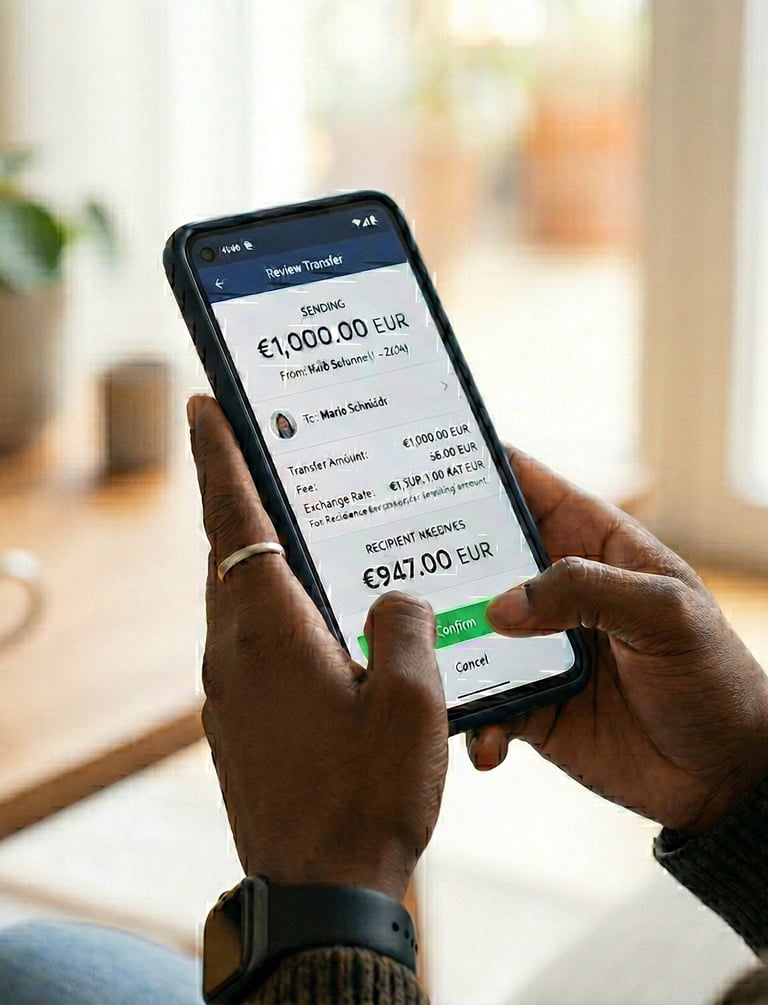
Sending money from Italy to Morocco is part of everyday life for many people living between countries.
Whether it’s to support family, cover expenses, or manage finances across borders, the process seems simple.
But in reality, the amount received is often lower than expected — and the reasons behind it are not always clear.
#InternationalTransfers #SendMoneyAbroad
> Why €300 can become €270 when sending money to Morocco
Where did the €30 go?
This difference is not random.
Here’s what actually happens:
Fees: €5
FX markup: €15
Receiving costs: €10
Final received: €270
And it scales:
€500 → €455
€1000 → €947
This is one of the most common issues in international transfers — and most people don’t see it.
In this article, we break down exactly what happens when you send money from Italy to Morocco, and why the final amount is often lower than expected.
You shouldn’t lose money every time you send it.
Join the Bankeaz waiting list and get early access to a better way to move money across borders.
> The reality of sending money abroad
Many people assume that international transfers work like local payments.
You choose an amount, confirm the transaction, and expect the same amount to arrive.
But between Italy and Morocco, things are more complex.
A single transfer may involve:
multiple intermediaries
currency conversion from EUR to MAD
layered fees that are not always visible
→ This is why €1000 sent does not always mean €1000 received.
> Where does the money go?
When sending money internationally, several cost layers can apply:
transfer fees
intermediary bank charges
exchange rate margins
receiving-side deductions
Each layer reduces the final amount received.
→ In many cases, the largest cost is hidden in the exchange rate itself.
Sending or receiving money across countries often comes with hidden costs, delays and unexpected limitations.
Send money across borders, effortlessly.
Send money across borders with transparent fees and fast international transfers.
International Transfers
> Why transfers to Morocco from Italy are often expensive
The corridor between Italy and Morocco is one of the most active between Europe and North Africa.
Despite this, it remains inefficient.
Traditional financial systems were not designed for:
frequent transfers of varying amounts
real-time transparency
seamless cross-border usage
As a result:
fees vary significantly
pricing is often unclear
users must compare providers frequently
> The hidden complexity behind a simple transfer
Behind what appears to be a simple transfer lies a fragmented infrastructure:
European banking systems
international settlement networks
local financial systems in Morocco
Each layer introduces:
delays
additional costs
compliance checks
This complexity explains why transfers are rarely predictable.
> What people do today
To manage these challenges, users often:
switch between multiple transfer services
compare exchange rates before each transaction
rely on cash-based alternatives
maintain accounts across countries
→ Even withdrawing money abroad can come with unexpected fees and hidden costs.
These solutions work, but they create friction and inefficiency.
> A shift toward better international banking
New financial solutions are emerging to simplify cross-border money movement.
They are designed for people living between countries and focus on:
transparent pricing
better exchange rates
unified financial experiences
Instead of adapting to outdated systems, they aim to redefine international banking.
> The future of international money transfers
For millions of people living between countries, sending money is not just a transaction — it’s a necessity.
But today’s systems still create:
hidden costs
unpredictable exchange rates
fragmented experiences
Bankeaz is building a simpler way to manage money across borders.
Join the waiting list to access a new approach to international banking: Join the waiting list
Managing money across countries shouldn’t be this complex — especially when your life is already international.
You live internationally. Your bank should too.
Manage your money across countries without hidden fees, delays, or complexity.
Simplify your financial life abroad with Bankeaz.
Banking built for life between countries
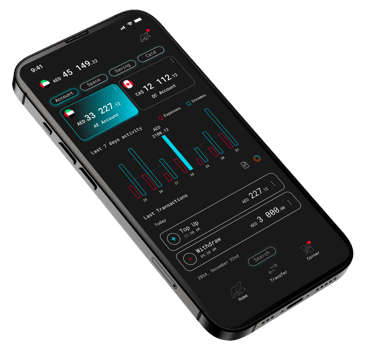
Free early access
______________________________________________________________________________________________________________________________________________________
> Conclusion
Sending money from Italy to Morocco should not involve hidden fees, uncertainty, or constant comparisons.
As global mobility increases, financial tools are evolving to offer more clarity, simplicity, and control.
> Frequently asked questions
What is the cheapest way to send money from Italy to Morocco?
It depends on the provider, but exchange rate margins are often the biggest hidden cost.
How long does a transfer from Italy to Morocco take?
It can take from minutes to several days depending on the method used.
Why is the received amount lower than the sent amount?
Because of fees, exchange rate differences, and intermediary charges.
Can I send money instantly to Morocco?
Some services offer fast transfers, but instant transfers are still limited and may cost more.
Is it safe to send money internationally?
Yes, if you use regulated providers, but transparency and pricing vary.
> Related reads
Moving to another country often comes with unexpected financial challenges.


______________________________________________________________________________________________________________________________________________________
by BANKEAZ
On demand banking services for all


______________________________________________________________________________________________________________________________________________________
Learn more about Expat Banking
Learn more about International Banking





Download the BANKEAZ app for a 100% mobile banking experience. Available on iOS and Android - public testing by invitation.
Bankeaz is designed for people living between countries. Availability may vary depending on the user’s jurisdiction of residence.
The Bankeaz app is developed by Arcadia, a company currently being incorporated in Switzerland.
Bankeaz does not provide banking services in its own name. Financial services are provided by licensed and regulated partner institutions, in accordance with applicable laws and regulations.
Copyright © 2026 - Arcadia | Bankeaz - All rights reserved
Address
____________________






__________________________________________________________________________________________________________________________________________________


(- - -) - - - - - - - - - -
Zurich - CH
__________________________________________________________________________________________________________________________________________________
___________________________________________________________________________________________________________________________________________________
__________________________________________________________________________________________________________________________________________________
Learn
____________________