
Why €1000 can become €947 in international transfers
EXPAT BANKING
Blog > Expat Banking > Why €1000 can become €947 in international transfers
Why €1000 can become €947 in international transfers
EXPAT BANKING
BANKEAZ | Expats Team
3/19/2026 - 4 min read


Sending money internationally should be simple. Yet many people are surprised to discover that the amount received is often lower than the amount sent.
A transfer of €1000 may arrive as €947 or even less. This difference is rarely explained clearly. For people living abroad, these hidden costs are one of the most common international banking issues.
Understanding where the money goes helps explain why traditional financial systems often create friction for globally mobile users and why new solutions focused on international banking are emerging.
#InternationalTransfers
#HiddenFees


> The hidden cost of international transfers
When sending money abroad, many people assume the transfer amount will remain unchanged. However, several financial mechanisms can reduce the final amount received.
A typical international transfer may involve:
transfer processing fees
intermediary bank charges
currency conversion margins
foreign transaction surcharges
These costs often appear small individually, but together they can significantly reduce the final payment amount.
This is why €1000 can quickly turn into €947 in many cross-border banking transactions. Solutions focused on transparent international banking aim to make these costs clearer for globally mobile users.
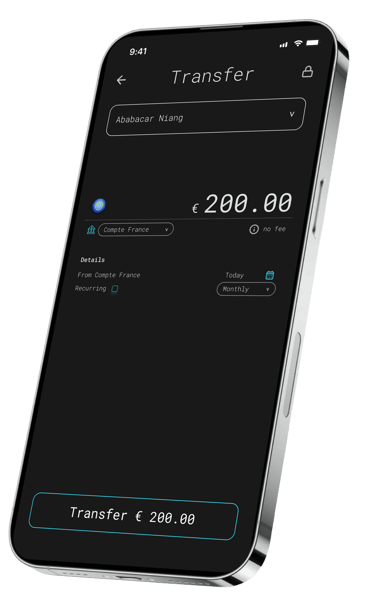
Send money across borders, effortlessly.
Send money across borders with transparent fees and fast international transfers.
International Transfers
> How currency conversion reduces transfer amounts
Currency exchange plays a major role in international banking costs.
Banks rarely use the official market exchange rate. Instead, they apply a slightly different rate known as a foreign exchange spread. This margin allows financial institutions to generate revenue from currency conversion.
For customers sending money abroad, this difference is often invisible but can significantly affect the amount received.
For example:
€1000 sent
conversion margin applied
additional processing fees deducted
The recipient may ultimately receive €947 or less.
Transparent financial services designed for international banking aim to reduce these hidden conversion margins.
> Intermediary banks and transfer chains
International payments often travel through several financial institutions before reaching the final recipient.
This process is known as correspondent banking.
Each intermediary bank involved in the transfer chain may apply its own processing fee. As a result, the total cost of a transfer may increase without the sender fully understanding where the deductions occurred.
These additional steps are a common source of international banking issues.
> Why these costs affect expats and diaspora communities most
Hidden transfer costs particularly affect people who regularly move money across borders.
This includes:
expatriates supporting family abroad
migrant workers sending remittances
international students receiving financial support
global professionals managing income in multiple countries
According to the World Bank ↗, global remittances exceed hundreds of billions of dollars every year.
For people who rely on regular international transfers, even small fees can accumulate over time.
This is why transparent diaspora banking solutions are becoming increasingly important.
> The need for transparent cross-border banking
Traditional financial institutions were built around domestic transactions. But modern financial lives increasingly operate across borders.
As global mobility increases, many people expect clearer pricing and better transparency when sending money internationally.
Financial services designed for cross-border banking aim to simplify transfers and reduce hidden costs.
New digital banking platforms now focus on:
transparent exchange rates
simplified international transfers
lower cross-border fees
multi-currency accounts
These innovations are shaping the future of international banking.
______________________________________________________________________________________________________________________________________________________
> The future of international banking
The rapid growth of global mobility is reshaping financial expectations.
People who live internationally increasingly expect banking services designed for global lifestyles rather than local financial systems.
Solutions designed for banking for expats, international banking, and diaspora banking, aim to simplify international payments and reduce hidden costs in cross-border transfers.
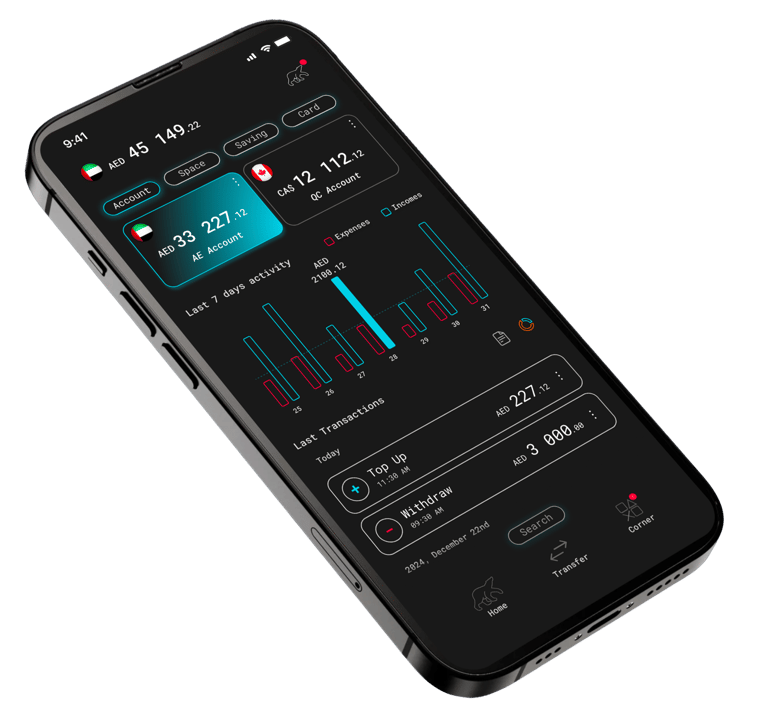
If you regularly send or receive money internationally, you can join the Bankeaz waiting list to discover a new approach to global banking.
You live internationally. Your bank should too.
Manage your money across countries without hidden fees, delays, or complexity.
Simplify your financial life abroad with Bankeaz.
Banking built for life between countries
Free early access
______________________________________________________________________________________________________________________________________________________
by BANKEAZ
On demand banking services for all


______________________________________________________________________________________________________________________________________________________
Learn more about Expat Banking

Global lives deserve simpler banking.





Download the BANKEAZ app for a 100% mobile banking experience. Available on iOS and Android.
Bankeaz is designed for people living between countries. Availability may vary depending on the user’s jurisdiction of residence.
The Bankeaz app is developed by Arcadia, a company currently being incorporated in Switzerland.
Bankeaz does not provide banking services in its own name. Financial services are provided by licensed and regulated partner institutions, in accordance with applicable laws and regulations.
Copyright © 2026 - Arcadia | Bankeaz - All rights reserved
Address
____________________






__________________________________________________________________________________________________________________________________________________


(- - -) - - - - - - - - - -
Zurich - CH
__________________________________________________________________________________________________________________________________________________
___________________________________________________________________________________________________________________________________________________
__________________________________________________________________________________________________________________________________________________
Learn
____________________