
Moving to Italy: Tips for a smooth journey
EXPATS
Moving to Italy: Tips for a smooth journey
EXPATS
BANKEAZ | Immigration Team
3/20/2026 - 2 min read
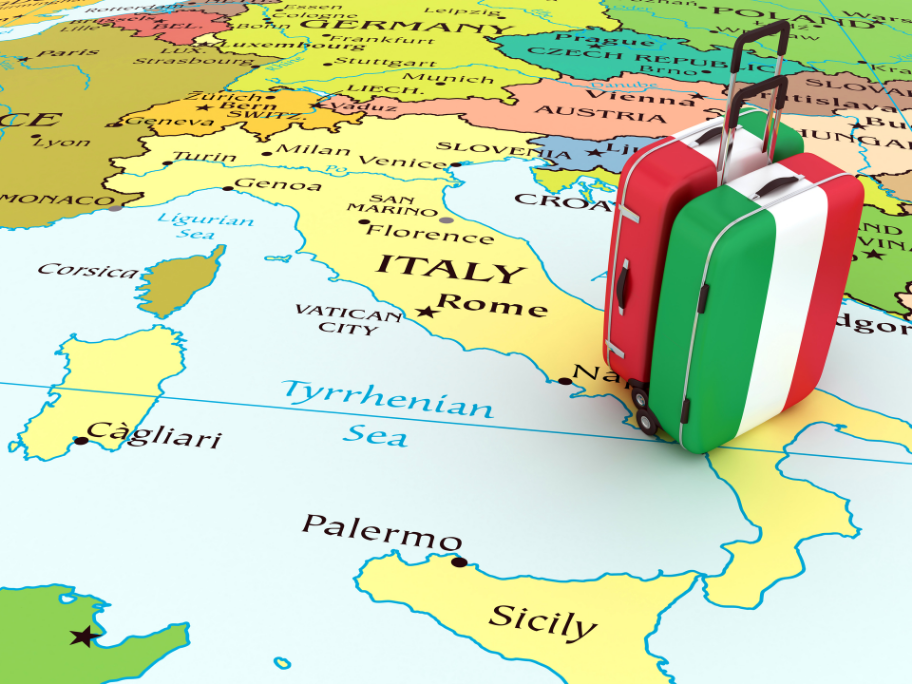
Moving to Italy is an exciting step, whether for work, lifestyle, or family reasons. From vibrant cities like Rome and Milan to quieter regions across the country, Italy attracts expats looking for a different pace of life.
But beyond the lifestyle, relocating comes with practical challenges. Administrative steps, housing, and especially managing money in a new country can quickly become complex.
For expats, the real difficulty often begins after arrival.
#ExpatLife #MoveToItaly
> Life in Italy: what to expect
Italy offers a unique balance between culture, food, and lifestyle. However, daily life can vary significantly depending on where you choose to live.
Northern cities like Milan are more international and business-oriented
Central areas like Rome combine administration and culture
Southern regions offer a slower pace and a lower cost of living
Understanding these differences is key before settling in.
If you are planning to move to another country, you can also read our complete guide on moving abroad.
> Administrative steps when moving to Italy
To live in Italy, expats usually need to complete several essential steps:
obtain a codice fiscale (tax identification number)
register with the local municipality (anagrafe)
apply for a residence permit if required
access the healthcare system
open a local bank account
These steps are often interconnected, which can slow down the process.
Administrative timelines can vary significantly depending on the region, especially between northern and southern Italy. In some cases, processes can take longer than expected, particularly for residence permits.
> Cost of living in Italy
The cost of living varies depending on the city and region.
Typical monthly expenses include:
rent (higher in Milan and Rome)
utilities and internet
groceries and daily expenses
transportation
administrative and setup costs
Initial costs (deposit, installation) should also be expected.
Managing everyday expenses efficiently becomes essential when settling in a new country.
You can also reduce your monthly costs by optimizing your utilities.
→ Optimize your electricity bill
→ Optimize your gas bill
Expats should also budget for initial expenses such as security deposits, furniture purchases, and unexpected costs.
Managing your budget in a new country is often more difficult than expected, especially during the first weeks after arrival.
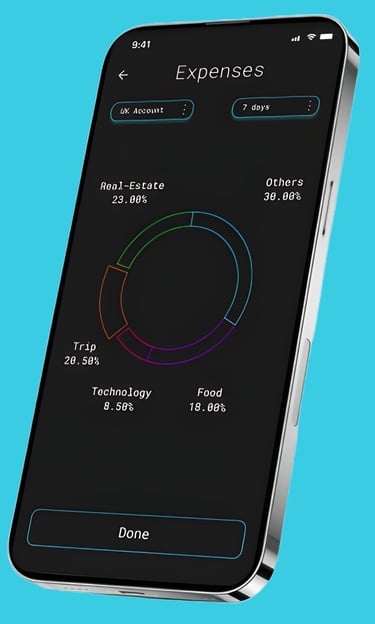
Take control of your money, without the stress.
Track and manage your expenses easily with a budget app designed for expats.
Manage your Budget the easy way
> The hidden challenges of moving to Italy
Relocating to Italy is not just about paperwork. Many expats face practical obstacles during their first weeks:
difficulty securing housing without local guarantees
delays in administrative validation
dependency between documents (address, tax ID, bank account)
limited access to services as a newcomer
unexpected financial pressure during setup
In many cases, certain services remain unavailable until all administrative procedures have been completed.
These challenges are rarely explained beforehand, yet they impact almost every new arrival.
Living between countries often creates unexpected banking and administrative issues.
→ Why living between two countries confuses traditional banks
In many cases, expats discover that certain services remain inaccessible until all administrative steps are fully completed, creating delays in settling in.
These challenges are common across many countries such as France, Spain or Portugal.
> Why banking is one of the biggest challenges
One of the most underestimated issues when moving to Italy is banking.
Many expats expect to open an account quickly. In reality, the process can be restrictive:
requirement for a local address
need for documents not yet available
delays in account activation
limited support for non-residents
Some banks may also require in-person appointments, adding additional delays during the first weeks after arrival.
At the same time, expats still need to:
receive income
pay rent
send or receive money internationally
manage expenses across multiple countries
This creates a gap between how people live and how banking systems operate.
Many expats discover that money transfers between countries reduce the final amount received.
→ Why €1000 can become €947 in international transfers
This is why international banking needs to be rethought for people living between countries.
This is why banking for expats needs to be designed around real international lives.
This is why diaspora banking is becoming essential for people living across borders.
Sending or receiving money across countries often comes with hidden costs, delays and unexpected limitations.
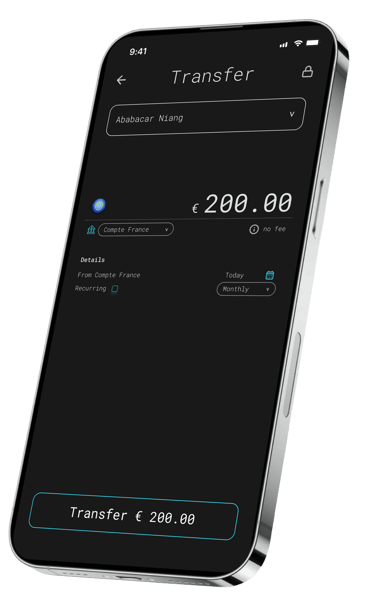
Send money across borders, effortlessly.
Send money across borders with transparent fees and fast international transfers.
International Transfers
> Preparing your move the right way
A smoother relocation to Italy starts with preparation.
Before moving, it helps to:
estimate your first-month budget
anticipate administrative timelines
plan how you will receive and send money
understand currency exchange costs
ensure access to funds during the transition
Being financially prepared can significantly reduce stress during your first weeks.
Solutions like Bankeaz are designed to simplify international banking for expats by offering them a more seamless way to manage their money across borders.
> Common mistakes when moving to Italy
underestimating administrative delays
not planning finances in advance
relying on a single bank account
ignoring international transfer costs
Managing money across countries shouldn’t be this complex — especially when your life is already international.
You live internationally. Your bank should too.
Manage your money across countries without hidden fees, delays, or complexity.
Simplify your financial life abroad with Bankeaz.
Banking built for life between countries
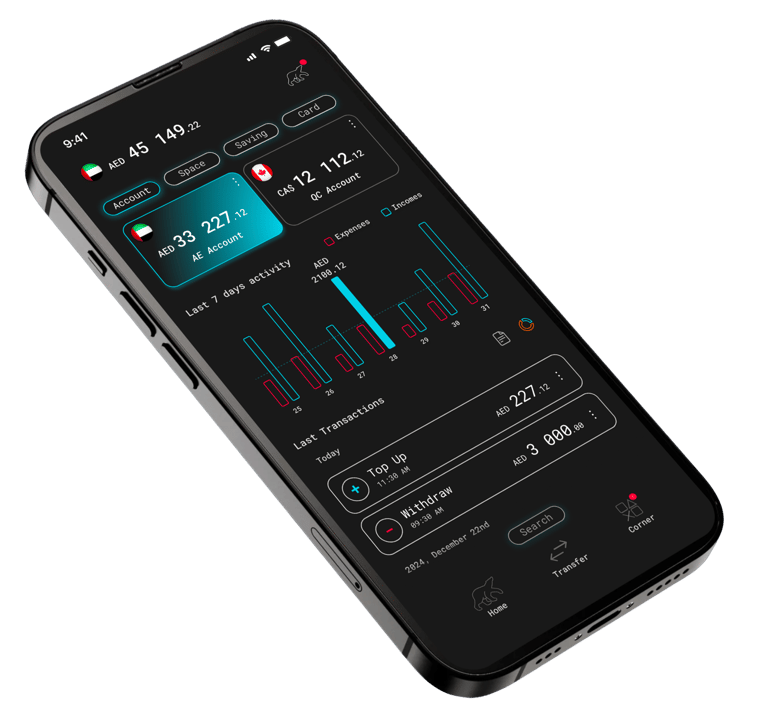
Free early access
______________________________________________________________________________________________________________________________________________________
> Conclusion
Moving to Italy can be a rewarding experience, but the first weeks often reveal how complex international relocation still is.
Administrative steps, housing, and especially banking create friction at a moment when simplicity is essential.
As more people live across borders, the need for solutions designed for international lives becomes increasingly clear.
> Frequently asked questions about moving to France
Do I need a bank account to live in Italy?
A local bank account is usually required for daily life, including paying rent and receiving income. However, opening one may take time as it depends on administrative steps.
Is it easy to open a bank account in Italy as a newcomer?
Not always. Some banks require a tax identification number (codice fiscale) and proof of address, which can create delays for new arrivals.
How long does the administrative process take in Italy?
The timeline can vary depending on the region. In some cases, administrative steps may take longer than expected, especially for residence-related processes.
What are the main financial challenges when moving to Italy?
Common challenges include managing upfront costs, dealing with administrative delays, and handling money between multiple countries.
How can I prepare financially before moving to Italy?
It helps to plan your initial budget, anticipate delays, and ensure you have access to funds while setting up your local situation.
> Related reads
Moving to another country often comes with unexpected financial challenges.


______________________________________________________________________________________________________________________________________________________
by BANKEAZ
On demand banking services for all


______________________________________________________________________________________________________________________________________________________
Moving to another country






Download the BANKEAZ app for a 100% mobile banking experience. Available on iOS and Android.
Bankeaz is designed for people living between countries. Availability may vary depending on the user’s jurisdiction of residence.
The Bankeaz app is developed by Arcadia, a company currently being incorporated in Switzerland.
Bankeaz does not provide banking services in its own name. Financial services are provided by licensed and regulated partner institutions, in accordance with applicable laws and regulations.
Copyright © 2026 - Arcadia | Bankeaz - All rights reserved
Address
____________________






__________________________________________________________________________________________________________________________________________________


(- - -) - - - - - - - - - -
Zurich - CH
__________________________________________________________________________________________________________________________________________________
___________________________________________________________________________________________________________________________________________________
__________________________________________________________________________________________________________________________________________________
Learn
____________________