
Moving to Germany: Tips for a smooth journey
EXPATS
Moving to Germany: Tips for a smooth journey
EXPATS
BANKEAZ | Immigration Team
3/21/2026 - 2 min read
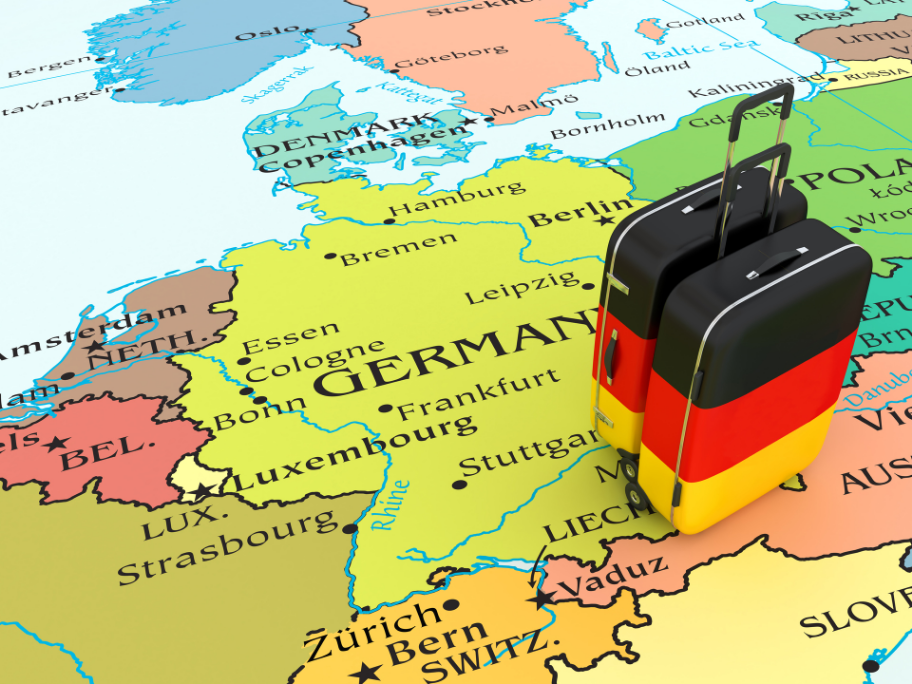
Moving to Germany is an exciting opportunity, whether for work, studies or a better quality of life. Known for its strong economy, efficient infrastructure and high living standards, Germany attracts expats from all over the world.
But beyond the opportunities, relocating comes with practical challenges. Administrative steps, housing, and especially managing money in a new country can quickly become complex.
For expats, the real difficulty often begins after arrival.
#ExpatLife #MoveToGermany
> Life in Germany: what to expect
Germany offers a structured and organized environment, but adapting to local systems can take time.
Cities like Berlin are international and dynamic
Munich and Frankfurt are more business-oriented
Smaller cities offer a quieter lifestyle with lower costs
Daily life is efficient, but processes can be formal and documentation-heavy.
If you are planning to move to another country, you can also read our complete guide on moving abroad.
> Administrative steps when moving to Germany
To live in Germany, expats usually need to complete several key steps:
register your address (Anmeldung)
obtain a tax ID (Steuer-ID)
set up health insurance
open a bank account
register for utilities and local services
These steps are often interconnected. Without registration, many other processes cannot move forward.
In some cities, getting an appointment for registration (Anmeldung) can take several weeks, delaying access to other essential services.
> Cost of living in Germany
The cost of living varies depending on the city.
Typical monthly expenses include:
rent (high in Munich, Frankfurt and Berlin)
utilities and internet
groceries and daily spending
transportation
insurance and administrative costs
Initial setup costs can also be significant, especially when it comes to housing deposits.
Managing everyday expenses efficiently becomes essential when settling in a new country.
You can also reduce your monthly costs by optimizing your utilities.
→ Optimize your electricity bill
→ Optimize your gas bill
Expats should also budget for initial expenses such as security deposits, furniture purchases, and unexpected costs.
Managing your budget in a new country is often more difficult than expected, especially during the first weeks after arrival.
Take control of your money, without the stress.
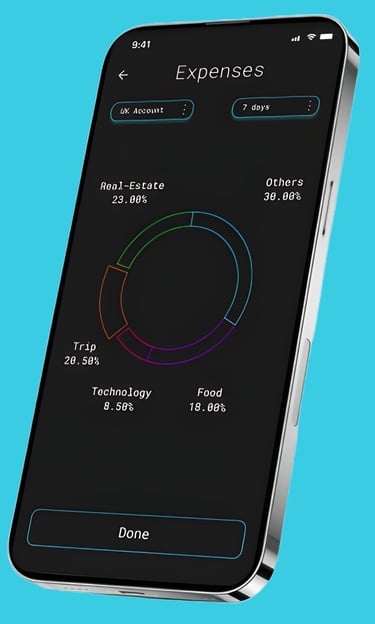
Track and manage your expenses easily with a budget app designed for expats.
Manage your Budget the easy way
> The hidden challenges of moving to Germany
Relocating to Germany is not only about following procedures. Many expats face practical difficulties during their first weeks:
difficulty finding housing in competitive markets
delays in administrative appointments
dependency between documents (address, tax ID, bank account)
limited access to services as a newcomer
financial pressure during the initial setup phase
In some cities, such as Berlin, the housing shortage can make it very difficult to obtain a residential address, which is required for most administrative procedures.
These challenges are common, yet often underestimated before arrival.
Living between countries often creates unexpected banking and administrative issues.
→ Why living between two countries confuses traditional banks
Housing shortages in major cities like Berlin can make it difficult to secure an address, which is required for most administrative processes.
These challenges are common across many countries such as the Netherlands, France or the UK.
> Why banking is one of the biggest challenges
One of the most underestimated issues when moving to Germany is banking.
Many expats expect to open an account quickly. In reality, the process can be more restrictive than expected:
requirement for a registered address (Anmeldung)
need for documents not yet available
delays in account activation
limited options for non-residents
Without a registered address, opening a bank account can become significantly more difficult, creating a bottleneck in the relocation process.
At the same time, expats still need to:
receive their salary
pay rent and deposits
send or receive money internationally
manage finances across multiple countries
This creates a mismatch between how people live and how banking systems operate.
Many expats discover that money transfers between countries reduce the final amount received.
→ Why €1000 can become €947 in international transfers
This is why international banking needs to be rethought for people living between countries.
This is why banking for expats needs to be designed around real international lives.
This is why diaspora banking is becoming essential for people living across borders.
Sending or receiving money across countries often comes with hidden costs, delays and unexpected limitations.
Send money across borders, effortlessly.
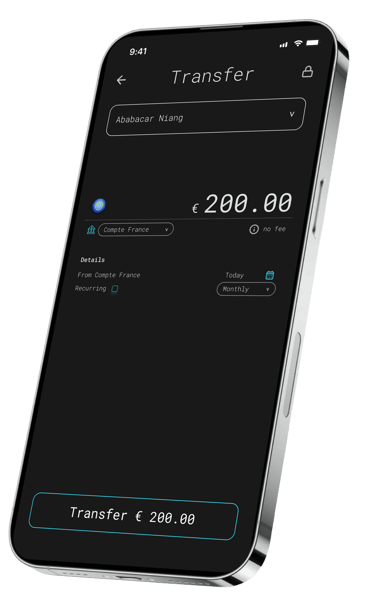
Send money across borders with transparent fees and fast international transfers.
International Transfers
> Preparing your move the right way
A smoother relocation to Germany starts with preparation.
Before moving, it helps to:
estimate your first-month budget
anticipate administrative timelines
plan how you will receive and send money
understand currency exchange and transfer costs
ensure access to funds during the transition
Being financially prepared can significantly reduce stress during your first weeks.
Solutions like Bankeaz are designed to simplify international banking for expats by offering them a more seamless way to manage their money across borders.
> Common mistakes when moving to Germany
underestimating administrative delays
not planning finances in advance
relying on a single bank account
ignoring international transfer costs
Managing money across countries shouldn’t be this complex — especially when your life is already international.
You live internationally. Your bank should too.
Manage your money across countries without hidden fees, delays, or complexity.
Simplify your financial life abroad with Bankeaz.
Banking built for life between countries
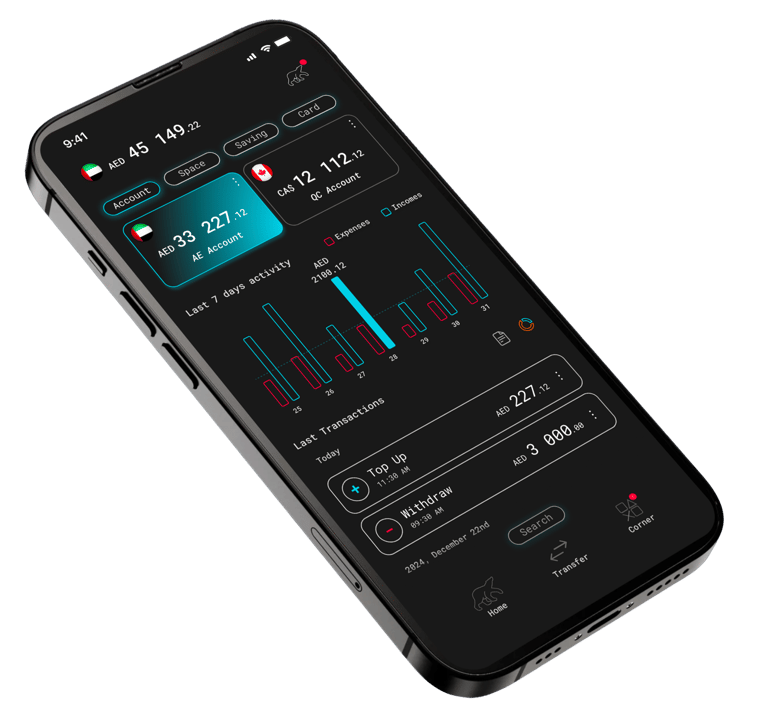
Free early access
______________________________________________________________________________________________________________________________________________________
> Conclusion
Moving to Germany can be a rewarding experience, but the first weeks often highlight how complex international relocation still is.
Administrative processes, housing challenges, and especially banking can create friction when simplicity is most needed.
As more people live across borders, the need for financial solutions designed for international lives becomes increasingly clear.
> Frequently asked questions about moving to Germany
Do I need to register my address (Anmeldung) before opening a bank account?
In most cases, yes. Many administrative processes in Germany depend on address registration, which can delay access to banking services.
Is it difficult to open a bank account in Germany as an expat?
It can be challenging at the beginning, especially without a registered address or complete documentation.
How long does it take to settle in Germany?
Administrative steps can take several weeks, particularly in large cities where appointment availability is limited.
What are the biggest financial challenges when moving to Germany?
Managing initial expenses, handling administrative delays, and coordinating finances between countries are common challenges.
How can I manage my finances across countries when moving to Germany?
Planning ahead is essential, especially for transfers, access to funds and managing multiple currencies.
> Related reads
Moving to another country often comes with unexpected financial challenges.


______________________________________________________________________________________________________________________________________________________
by BANKEAZ
On demand banking services for all


______________________________________________________________________________________________________________________________________________________
Learn more about living to Germany
Moving to another country





Download the BANKEAZ app for a 100% mobile banking experience. Available on iOS and Android - public testing by invitation.
Bankeaz is designed for people living between countries. Availability may vary depending on the user’s jurisdiction of residence.
The Bankeaz app is developed by Arcadia, a company currently being incorporated in Switzerland.
Bankeaz does not provide banking services in its own name. Financial services are provided by licensed and regulated partner institutions, in accordance with applicable laws and regulations.
Copyright © 2026 - Arcadia | Bankeaz - All rights reserved
Address
____________________






__________________________________________________________________________________________________________________________________________________


(- - -) - - - - - - - - - -
Zurich - CH
__________________________________________________________________________________________________________________________________________________
___________________________________________________________________________________________________________________________________________________
__________________________________________________________________________________________________________________________________________________
Learn
____________________