
How to Check Banking Cut-Off Times Before Sending an International Transfer
EXPAT BANKING
Blog > Expat Banking > How to Check Banking Cut-Off Times Before Sending an International Transfer
How to Check Banking Cut-Off Times Before Sending an International Transfer
EXPAT BANKING
BANKEAZ | Expats Team
8/05/2026 - 4 min read


You need to pay rent, tuition, a supplier, a property deposit, or family support by a fixed date.
You submit the transfer in the afternoon and receive an immediate confirmation. It appears that the payment is already moving.
But confirmation does not always mean same-day processing.
Banks and payment providers usually operate according to daily processing deadlines. A payment submitted before the relevant cut-off may begin processing that day. One submitted after it may wait until the next eligible business day.
International transfers are more complex because several calendars can matter at once: the sending bank’s schedule, the destination country’s working days, the currency’s settlement timetable, and the operating hours of intermediary or receiving institutions. Bankeaz notes that international payments often involve several independent institutions and systems, each of which may introduce additional time.
Checking the correct cut-off time before sending can reduce avoidable delays and help you choose a safer payment date.
Check the cut-off for the exact transfer type, currency, destination, and funding method you plan to use.
Find the Real Submission Deadline


> Identify Which Cut-Off Time Applies
Do not rely on a general statement such as “payments are processed until 5 p.m.”
A bank may use different cut-off times for:
domestic transfers;
international transfers;
same-day payments;
standard payments;
urgent or priority payments;
SWIFT transfers;
specific currencies;
specific destination countries;
payments initiated online;
payments submitted through a branch;
transfers funded by bank account or card.
Start inside the transfer screen, help centre, fee schedule, or payment terms. Look for phrases such as:
cut-off time;
same-day processing deadline;
submission deadline;
value date;
processing date;
execution date;
next-business-day processing;
payment order received.
Check whether the stated deadline applies to the time you submit the payment or the time the provider has fully received, verified, and funded it.
A transfer initiated at 3 p.m. may not count as received at 3 p.m. if the provider still needs to collect funds from another account, authenticate the payment, or review the beneficiary.
Also check whether the displayed time is specific to your account type. Business, personal, premium, and institutional customers may follow different operating rules.
The safest approach is to identify the exact product and route rather than relying on a general banking-hours page.
A domestic-payment deadline may not apply to a foreign-currency or international payment.
Match the Deadline to the Transfer Type


> Confirm The Time Zone
A cut-off time is incomplete without a time zone.
A provider may display the deadline using:
the sending bank’s local time;
the account holder’s device time;
the payment centre’s operating time;
the destination country’s time;
Coordinated Universal Time;
a currency-market location.
This can create errors when you live in one country, hold an account in another, and pay a beneficiary somewhere else.
Suppose a bank states that the cut-off is 4 p.m. local time. You need to determine which location “local” refers to.
Ask or verify:
which time zone controls the deadline;
whether the banking app automatically converts it;
whether daylight-saving changes affect the displayed time;
whether a transfer initiated while travelling uses your device location;
whether the deadline changes for a particular currency.
Convert the deadline into your current time zone before planning the transfer.
Avoid submitting within the final few minutes. Authentication problems, slow connectivity, beneficiary checks, or a session timeout may push the completed instruction beyond the deadline.
A practical safety margin is more useful than aiming for the exact final minute. The goal is to ensure the bank receives a complete and executable instruction before its processing window closes.


Confirm the time zone and leave enough margin for authentication, funding, and final review.
Convert the Deadline Before You Pay

> Separate Submission Time From Processing Time
A transfer can be submitted, accepted, processed, settled, and credited at different times.
These stages should not be treated as interchangeable.
Submitted usually means you sent the instruction.
Accepted may mean the provider received it successfully.
Processing may mean the bank has started internal handling.
Settled generally refers to movement between participating institutions.
Credited means the recipient’s institution has applied the funds to the account.
A confirmation message may refer only to the first or second stage.
Bankeaz explains that transfer-status labels can be limited and that institutions do not always share real-time information. A payment can therefore appear completed in one system while further processing continues elsewhere.
Before relying on a cut-off, determine whether all prerequisites must be completed before the deadline. These may include:
sufficient cleared funds;
beneficiary activation;
two-factor authentication;
payment-reference entry;
identity checks;
purpose-of-payment information;
source-of-funds evidence;
internal compliance review.
A payment submitted before the cut-off can still move later if required information is missing or if the transaction is selected for additional review. Bankeaz notes that incomplete information, unusual activity, and larger international payments may trigger further checks.
For an urgent payment, complete beneficiary setup and required verification in advance rather than on the intended sending day.
A transfer confirmation may show that the instruction was received, not that funds have entered settlement.
Confirm When Processing Actually Begins


> Check Business Days, Holidays, And Currency Calendars
A banking cut-off only helps if the day itself is eligible for processing.
Weekends and public holidays can affect:
the sending country;
the destination country;
the intermediary bank’s country;
the currency’s main settlement market;
the recipient bank.
A working day in your country may be a public holiday elsewhere.
Currency can matter as much as geography. A transfer funded in one currency and delivered in another may depend on operating schedules connected to both currencies.
Review:
the sending bank’s holiday calendar;
the recipient bank’s business days;
the destination country’s public holidays;
any currency-specific settlement restrictions;
weekend-processing policies;
whether the provider offers instant, same-day, or standard delivery;
whether “business day” is defined in the payment terms.
Bankeaz identifies weekends, operational cut-off times, and intermediary handling as factors that can change payment timing and potentially affect the final outcome.
Be especially careful before long weekends and year-end periods. A payment sent after the final cut-off before several non-processing days may remain pending much longer than expected.
When a deadline matters, work backwards from the date on which the recipient must have usable funds. Do not use the date on which you intend to press “send” as the only planning point.
Check weekends, public holidays, currency calendars, and the recipient bank’s operating days before choosing the sending date.
Count Eligible Processing Days


> Build A Safety Margin For Intermediaries And Reviews
Meeting the sending bank’s cut-off does not guarantee that every later institution will process the payment on the same day.
An international payment may involve:
the sending bank;
a payment provider;
one or more intermediary banks;
a foreign-exchange process;
a clearing or settlement system;
the receiving bank.
Bankeaz explains that intermediary institutions are often used because banks do not always have direct relationships across countries and currencies. Each stage may introduce time, fees, or limited visibility.
For a time-sensitive international payment, avoid planning around the fastest advertised estimate.
Instead:
identify the recipient’s real deadline;
ask when the funds must be credited rather than merely sent;
find the last eligible processing day;
subtract the expected transfer duration;
add time for verification or intermediary handling;
submit before the cut-off with a practical margin;
monitor the status and keep the receipt.
For critical payments, ask the recipient whether they need the money credited, cleared, or simply initiated by the deadline. These are different requirements.
If the transfer supports tuition, property, taxes, immigration, or a business contract, request written payment instructions and clarify the consequences of late receipt.
A transfer can remain pending for reasons unrelated to cut-off times, including additional compliance checks or missing information.
The purpose of checking the cut-off is not to predict every stage perfectly. It is to remove one avoidable source of delay and create enough time to manage the others.
Build time for cut-offs, non-processing days, verification, intermediaries, and recipient-bank handling.
Send Before the Last Possible Day


______________________________________________________________________________________________________________________________________________________
> Key Takeaways
✓ Find the cut-off time for the exact transfer type you plan to use.
✓ Confirm whether the deadline applies to submission, funding, or completed verification.
✓ Check which time zone controls the cut-off.
✓ Leave a practical margin rather than submitting at the final minute.
✓ Complete beneficiary setup and authentication before the sending day.
✓ Distinguish transfer submission from processing, settlement, and final credit.
✓ Check weekends and holidays in every relevant country.
✓ Review whether the currency follows a separate processing calendar.
✓ Work backwards from the recipient’s actual payment deadline.
✓ Allow additional time for intermediary banks and compliance reviews.
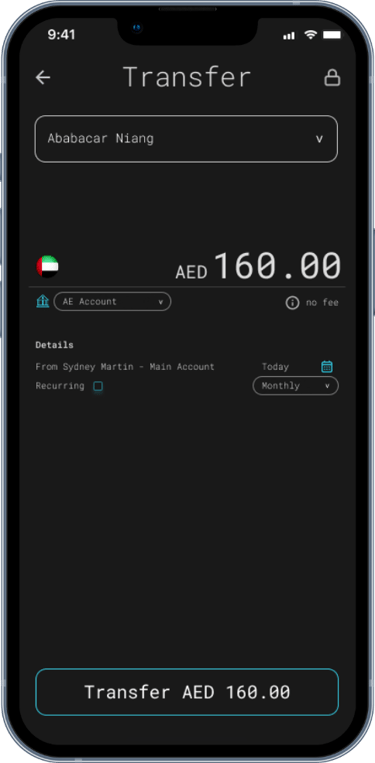
See the transfer date, expected processing window, and recipient estimate together.
Check the payment route before the daily deadline.
Keep a clear record after submission.
Review Timing Before You Confirm
> Conclusion
Checking a banking cut-off time requires more than finding the closing hour of a branch.
You need the deadline for the exact transfer type, destination, currency, funding method, and account. Confirm the relevant time zone and determine whether the instruction must only be submitted or fully funded and verified before the deadline.
Then review weekends, public holidays, currency calendars, and the recipient bank’s processing schedule. For an important payment, work backwards from the date on which the recipient needs usable funds and include time for intermediary institutions or additional checks.
These actions can reduce avoidable transfer delays. However, cross-border payments still depend on fragmented banking calendars, separate operating windows, multiple intermediaries, and country-specific infrastructures. That complexity means a payment submitted on time in one system may still wait for another system to become available.
> Related reads
Why the Same Payment Doesn’t Mean the Same Outcome
Explains how timing, exchange rates, cut-off times, weekends, and intermediary handling can change the result of a transfer.
Why International Transfers Stay Stuck for Days
Explains why transfers may remain delayed even when they appear immediate in the sending interface.
How to Compare International Transfer Providers
Provides broader comparison criteria, including transfer limits, methods, fees, exchange rates, speed, and recipient outcomes.
How to Check the Real Cost of an International Money Transfer
Explains how to compare the full debit, exchange rate, fees, intermediary deductions, and final amount received.
______________________________________________________________________________________________________________________________________________________
by BANKEAZ
On demand banking services for all


______________________________________________________________________________________________________________________________________________________
Learn more about Expat Banking

Global lives deserve simpler banking.






Download the BANKEAZ app for a 100% mobile banking experience. Available on iOS and Android.
Bankeaz is designed for people living between countries. Availability may vary depending on the user’s jurisdiction of residence.
The Bankeaz app is developed by Arcadia, a company currently being incorporated in Switzerland.
Bankeaz does not provide banking services in its own name. Financial services are provided by licensed and regulated partner institutions, in accordance with applicable laws and regulations.
Copyright © 2026 - Arcadia | Bankeaz - All rights reserved
Address
____________________






__________________________________________________________________________________________________________________________________________________


(- - -) - - - - - - - - - -
Zurich - CH
__________________________________________________________________________________________________________________________________________________
___________________________________________________________________________________________________________________________________________________
__________________________________________________________________________________________________________________________________________________
Learn
____________________