
Why £1000 Can Become £947 in International Transfers
EXPAT BANKING
Blog > Expat Banking > Why £1000 Can Become £947 in International Transfers
Why £1000 Can Become £947 in International Transfers
EXPAT BANKING
BANKEAZ | Expats Team
4/11/2026 - 4 min read


You send £1000 from the UK to another country.
A few moments later, the recipient receives less.
No error. No warning. Just a lower amount than expected.
This is one of the most common problems for people sending money from the United Kingdom to countries like Nigeria, Ghana, or Kenya.
#InternationalTransfers
#UKFinance


> It’s not just a transfer fee
Most people expect to pay a visible fee when sending money abroad.
But the real cost is made of several layers:
transfer fees
intermediary bank charges
currency conversion costs
receiving-side deductions
Even when a provider advertises “low fees,” the total cost is often much higher.
> The hidden cost: exchange rates
The biggest cost in international transfers from the UK is usually hidden in the exchange rate.
When converting GBP to another currency, providers often apply a margin on top of the real rate.
This means:
you don’t get the true market rate
the recipient receives less than expected
According to the World Bank, remittance costs remain one of the biggest challenges in cross-border transfers, largely due to exchange rate margins and hidden fees.
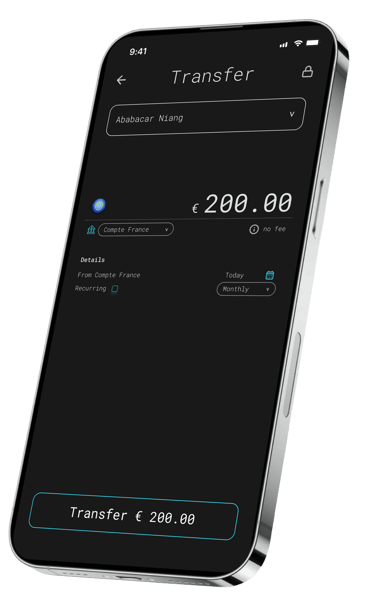
Send money across borders, effortlessly.
Send money across borders with transparent fees and fast international transfers.
International Transfers
> Why this happens in UK corridors
Sending money from the United Kingdom involves specific challenges:
GBP conversion into volatile currencies (NGN, GHS, KES)
different exchange rate systems depending on the destination
multiple providers with different pricing models
As a result:
the same £1000 can lead to very different outcomes
comparing providers becomes necessary
transparency is limited
> The real path of your money
An international transfer is not a direct movement of funds.
It typically goes through:
a UK-based provider
an international settlement network
a local banking or payout system
At each step:
fees can be added
exchange rates can change
delays can occur
This multi-layer process explains why the final amount is often lower.
> What people sending money from the UK do today
To manage this complexity, many users:
compare providers before every transfer
monitor GBP exchange rates
split transfers across services
use alternative or informal channels
→ Even withdrawing money abroad can involve hidden costs.
These workarounds help, but they create friction and inefficiency.
> A shift toward more transparent international banking
New financial solutions are emerging to simplify how money moves across borders.
They are designed for people living between countries and focus on:
transparent pricing
real exchange rates
unified financial experiences
Instead of navigating fragmented systems, users can manage international transfers more clearly.
______________________________________________________________________________________________________________________________________________________
> The future of international banking
The rapid growth of global mobility is reshaping financial expectations.
People who live between countries increasingly expect banking services designed for global lifestyles — not systems built for a single country.
Traditional banking remains fragmented, local, and often opaque when it comes to cross-border transactions.
New solutions are emerging to address these challenges.
They focus on:
→ banking for expats
→ international banking
→ diaspora banking
Their goal is to simplify international payments, improve transparency, and reduce hidden costs in cross-border transfers.
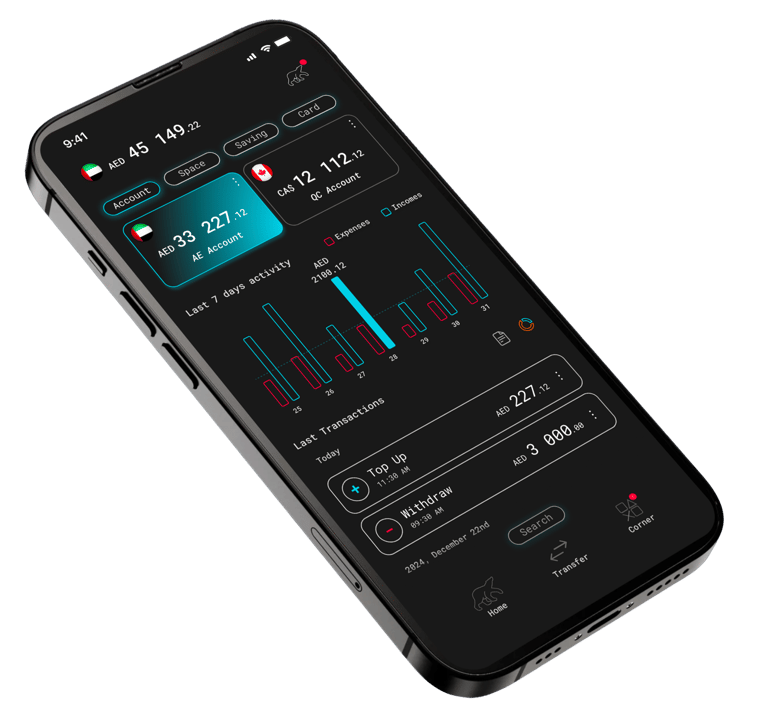
If you regularly send or receive money internationally, you can join the Bankeaz waiting list to discover a new approach to global banking.
You live internationally. Your bank should too.
Manage your money across countries without hidden fees, delays, or complexity.
Simplify your financial life abroad with Bankeaz.
Banking built for life between countries
Free early access
> Frequently asked questions
Why does £1000 become less when sent abroad?
Because of exchange rate margins, transfer fees, and intermediary costs.
What is the biggest hidden cost?
The exchange rate margin is usually the largest hidden cost.
Do all UK providers charge the same?
No, pricing and exchange rates vary significantly between providers.
Can I reduce these costs?
Yes, by comparing providers and understanding how exchange rates are applied.
Is this specific to UK transfers?
No, but UK corridors often involve additional complexity due to currency dynamics.
> Related reads
Moving to another country often comes with unexpected financial challenges.
______________________________________________________________________________________________________________________________________________________
by BANKEAZ
On demand banking services for all


______________________________________________________________________________________________________________________________________________________
Learn more about Expat Banking

Global lives deserve simpler banking.




Download the BANKEAZ app for a 100% mobile banking experience. Available on iOS and Android - public testing by invitation.
Bankeaz is designed for people living between countries. Availability may vary depending on the user’s jurisdiction of residence.
The Bankeaz app is developed by Arcadia, a company currently being incorporated in Switzerland.
Bankeaz does not provide banking services in its own name. Financial services are provided by licensed and regulated partner institutions, in accordance with applicable laws and regulations.
Copyright © 2026 - Arcadia | Bankeaz - All rights reserved
Address
____________________






__________________________________________________________________________________________________________________________________________________


(- - -) - - - - - - - - - -
Zurich - CH
__________________________________________________________________________________________________________________________________________________
___________________________________________________________________________________________________________________________________________________
__________________________________________________________________________________________________________________________________________________
Learn
____________________